

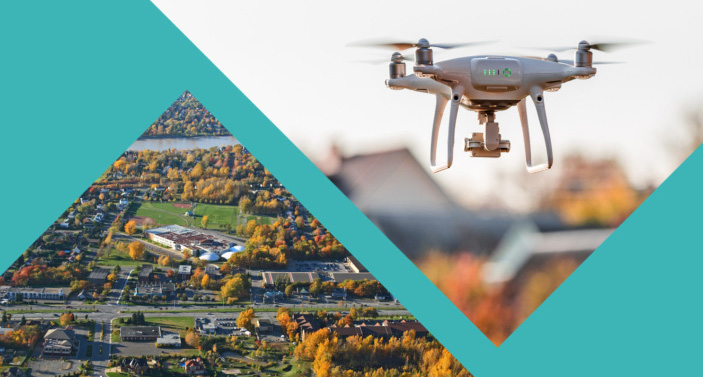
Drones can elevate your listings, but they also come with clear legal responsibilities.
Under Transport Canada regulations, most drones used for real estate (250 g–25 kg) require registration and a licensed operator. Microdrones (under 250 g) do not require a pilot certificate or registration, but operators must still fly safely and comply with all applicable laws. REALTORS® must also understand whether they are conducting basic or advanced operations, which depends on proximity to people and airspace.
What you need to know:
- Keep your drone within visual line-of-sight and below 122 m (400 feet)
- Stay at least 30 metres from bystanders unless properly certified
- Never fly near airports, controlled airspace, or emergency scenes
If you’re hiring a drone operator, the responsibility doesn’t disappear — ensure they are properly certified and compliant.
As outlined in Article 18 of the REALTOR® Code, you are required to follow all applicable laws when providing real estate services.
When Things Go Wrong
A recent case in Kelowna is a clear example of what not to do.
A REALTOR® was fined $5,000 under the BC Wildfire Act after flying a drone during an active wildfire, interfering with emergency response efforts.
The Bottom Line
Drones are a powerful marketing tool, but only when used responsibly. Failing to follow the rules can lead to fines, safety risks, and reputational damage.
When in doubt, don’t fly — or work with a qualified professional.
For more information, visit CREA’s website. Additional information can be found on the Transport Canada’s website.
Professional Standards